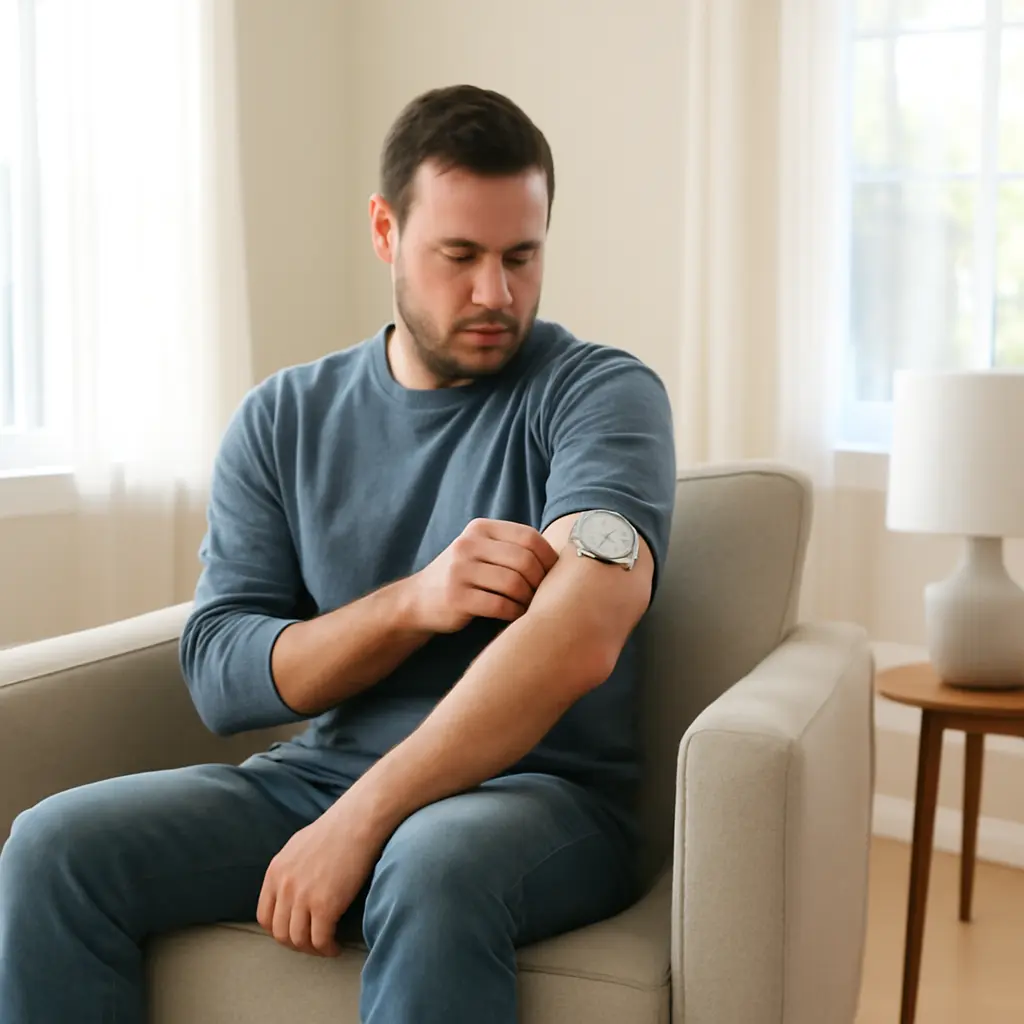
Patient-centered medical devices are designed around how people experience and use them—not only whether they achieve a technical or clinical goal. That means considering comfort, confidence, accessibility, daily routines, and the effort required to use a device alongside safety and effectiveness. The U.S. Food and Drug Administration (FDA) recommends human-factors engineering to reduce use errors, while the World Health Organization (WHO) estimates that more than 2.5 billion people need one or more assistive products. Together, these perspectives show why device design must account for real-life users: from wearable monitors and insulin delivery systems to mobility aids and home-use diagnostic tools.
Patient-centered design and medical-device usability
Patient-centered design is an approach to developing healthcare products that incorporates patients’ needs, abilities, circumstances, and preferences into decisions about how a device works and feels. The International Organization for Standardization (ISO), in its human-centred design guidance, describes this approach as involving users throughout design and development, grounding decisions in an explicit understanding of users, tasks, and environments, and evaluating designs with users.
For medical devices, this does not mean choosing comfort at the expense of clinical performance. It means treating usability and lived experience as part of performance. A technically accurate monitor may still fail in practice if its alarms are confusing, its sensor irritates the skin, or its setup is too difficult for someone with limited dexterity. FDA human-factors guidance similarly focuses on how intended users interact with devices in actual use environments, with the goal of reducing use-related risks.
Human factors and safe use
Human-factors engineering studies the interaction among people, devices, tasks, and environments. In device development, it can inform the size and shape of controls, the clarity of instructions, the placement of alarms, and the steps required to complete a task. FDA guidance calls for manufacturers to identify users and use environments, analyze tasks that could lead to harm, and test whether representative users can operate a device safely and effectively.
The practical importance is evident in devices used outside hospitals. A patient may need to interpret a warning while tired, administer a dose with reduced vision, or replace a sensor without professional help. Design validation with intended users can reveal difficulties that laboratory testing alone may miss. Relevant measures include task completion, use errors, time to complete a task, and whether patients understand what the device is telling them.
Comfort, burden, and adherence
Comfort is the physical and emotional experience of wearing or operating a device. It includes fit, weight, heat, noise, skin contact, privacy, and whether the device disrupts sleep, movement, work, or social life. Treatment burden is broader: it includes the time, attention, and repeated actions that managing a device adds to a person’s day.
These factors can affect whether people continue using a device as intended. A systematic review by Kardas and colleagues in the journal Frontiers in Pharmacology reported that medication non-adherence is a widespread problem, with estimates varying by condition and measurement method. That finding does not mean device discomfort alone causes non-adherence; it does underscore why health technologies should be evaluated in the context of everyday behavior, rather than assuming that prescribed use will automatically occur.
Accessibility and inclusive design
Accessible design enables people with different physical, sensory, cognitive, and language needs to use a device. Inclusive development considers variation in hand strength, vision, hearing, memory, health literacy, body size, and familiarity with technology. The WHO’s estimate that more than 2.5 billion people need assistive products highlights the scale of need for devices that work across a wide range of users and settings.
Accessibility can be built into both the product and its information: tactile controls, readable displays, adjustable alerts, clear instructions, multiple language options, and compatibility with assistive technologies. It also requires testing with people who have the relevant disabilities or functional limitations, rather than relying solely on assumptions made by designers.
Wearable devices and patient-centered experience
Wearable medical devices are products worn on or attached to the body to monitor, support, or deliver care. Their performance depends on more than sensor accuracy: patients must be able to tolerate the device, understand its feedback, and fit it into daily life. This makes wearables a clear example of why patient experience is a design requirement, not an optional extra.
Continuous glucose monitors and insulin delivery
Continuous glucose monitors (CGMs) measure glucose in interstitial fluid and send readings to a receiver or compatible smart device. Some systems connect with insulin-delivery devices, enabling automated insulin delivery for eligible users. The American Diabetes Association’s Standards of Care in Diabetes recommends diabetes technology according to individual needs, preferences, and circumstances, emphasizing education and ongoing support as well as device capability.
A patient-centered CGM should be evaluated for sensor adhesion, skin reactions, insertion discomfort, data readability, alert fatigue, and the social visibility of wearing it. A person who receives repeated low-glucose alerts during sleep may need configurable alarm settings and clear guidance; someone with limited dexterity may need easier applicator handling. The clinical data matter, but so do the practical conditions that influence whether the person can use the system consistently.
Remote monitoring and home-use devices
Remote patient-monitoring devices collect health information outside clinical settings, using tools such as blood-pressure cuffs, pulse oximeters, scales, or connected thermometers. Home use can reduce travel and support timely follow-up, but it also shifts setup, measurement, charging, and troubleshooting tasks to patients and caregivers.
The U.S. Centers for Medicare & Medicaid Services defines remote physiologic monitoring as the collection and transmission of physiologic data for treatment management under applicable coverage rules. The exact requirements depend on the service and payer. For patients, effective design means straightforward setup, clear measurement instructions, accessible technical support, and transparent explanations of what happens when a reading is missing or concerning. These details can prevent a useful monitoring program from becoming an avoidable source of stress.
Assistive devices and everyday independence
Assistive products help maintain or improve functioning and independence for people with disabilities, age-related limitations, or temporary impairments. WHO examples include wheelchairs, hearing aids, prostheses, communication aids, and spectacles. Their success is measured not only by technical function but also by whether they fit the person, the environment, and the activities that matter to them.
Mobility aids and fit
Mobility aids include products such as wheelchairs, walkers, canes, and prosthetic limbs. Proper fit, adjustability, weight, maneuverability, and compatibility with the user’s home and community influence safe and comfortable use. A wheelchair that performs well indoors may not meet a person’s needs on uneven paths or in a home with narrow doorways. Assessment should therefore include the user’s goals and environment, not only a device’s specifications.
WHO has reported that access to assistive technology remains uneven worldwide, with need expected to grow as populations age and chronic conditions become more common. This gap makes affordability, repairability, local availability, and ongoing fitting services important parts of user-centered design and delivery.
Hearing and communication technologies
Hearing aids and augmentative and alternative communication (AAC) devices support communication in different ways. Their usability depends on factors such as sound quality, comfort, battery life, control simplicity, compatibility with phones, and the user’s communication preferences. An AAC system may need to support a person’s vocabulary, language, access method, and communication settings, rather than offering a generic interface alone.
WHO estimates that more than 1.5 billion people live with some degree of hearing loss, a figure projected to rise to nearly 2.5 billion by 2050. This scale reinforces the need for hearing technologies that are adaptable, affordable, and supported by fitting and follow-up—not simply manufactured and handed over.
How manufacturers can validate patient experience
Patient-centered development turns lived experience into testable design decisions. Manufacturers and care teams can gather input early, then verify that a device is understandable, tolerable, and usable for its intended population and setting. This process complements clinical testing: a device may demonstrate a clinical benefit under study conditions, yet still need refinement to work reliably in ordinary routines.
Co-design and representative user testing
Co-design involves patients, caregivers, clinicians, and other intended users in shaping a product or service. It can uncover unmet needs before technical choices become difficult to change. Representative testing should include variation relevant to the device, such as age, disability, language, experience, and familiarity with digital tools. FDA human-factors recommendations support evaluating device use with intended users performing critical tasks in realistic conditions.
Useful questions include: Can users identify the correct control? Do they understand an alarm? Can they complete setup without assistance? Can they wear the product for the duration required? Do instructions work when someone is anxious or unwell? Answers help teams distinguish a genuine usability problem from a preference that can be addressed through customization.
Patient-reported outcomes and real-world evidence
Patient-reported outcomes are reports directly from patients about their health, symptoms, functioning, or experience, without interpretation by another person. In device evaluation, measures can cover pain, comfort, confidence, sleep disruption, ease of use, and perceived treatment burden. The FDA’s guidance on patient-reported outcome measures describes their role in capturing concepts that matter to patients, while emphasizing that measures should be appropriate for the intended population and purpose.
Real-world evidence adds information from routine care and everyday use, including how devices perform across settings and over time. When interpreting such evidence, researchers should account for who uses the device, who stops using it, and why. Discontinuation can reflect discomfort or complexity, but it may also result from changing health needs, cost, access, or clinical advice.
A practical evaluation scorecard
A balanced scorecard can help teams compare technical outcomes with the patient experience. It should be adapted to the device and population rather than treated as a universal checklist.
- Clinical performance: accuracy, reliability, and relevant safety outcomes.
- Usability: task success, use errors, setup time, and clarity of instructions.
- Experience: comfort, confidence, privacy, and effect on daily activities.
- Access: affordability, availability, language support, and repair options.
- Ongoing use: reasons for continued use, interrupted use, or discontinuation.
A chart comparing these measures across user groups can reveal trade-offs—for example, whether a smaller device improves comfort but makes controls harder to operate. Such a chart is most informative when it includes patients’ explanations alongside numerical results.
Conclusion: design for the person, not only the specification
Patient-centered medical devices combine human-factors engineering, comfort, accessibility, and clinical performance. Wearable monitors, home-use technologies, and assistive products all show that effectiveness depends on how a device fits into a person’s body, abilities, routines, and environment. WHO estimates of global assistive-product need and FDA guidance on safe, usable design make the broader case: real-world experience is central to health technology’s value.
Manufacturers should involve diverse users early, test devices in realistic conditions, and track patient-reported experience alongside clinical outcomes. Clinicians and health systems can ask patients what feels difficult, uncomfortable, or burdensome and share that feedback with product teams. Further reading on FDA human-factors guidance, WHO assistive technology, and patient-reported outcomes can help stakeholders turn those insights into safer, more acceptable devices.
Sources: U.S. Food and Drug Administration, Applying Human Factors and Usability Engineering to Medical Devices, https://www.fda.gov/regulatory-information/search-fda-guidance-documents/applying-human-factors-and-usability-engineering-medical-devices; International Organization for Standardization, ISO 9241-210:2019 Ergonomics of human-system interaction — Part 210: Human-centred design for interactive systems, https://www.iso.org/standard/77520.html; World Health Organization, Assistive technology, https://www.who.int/news-room/fact-sheets/detail/assistive-technology; Kardas et al., “Determinants of patient adherence: a review of systematic reviews,” Frontiers in Pharmacology, 2013, https://doi.org/10.3389/fphar.2013.00091; American Diabetes Association, Standards of Care in Diabetes—2025, https://diabetesjournals.org/care/issue/48/Supplement_1; Centers for Medicare & Medicaid Services, Remote Physiologic Monitoring, https://www.cms.gov/medicare/coverage/telehealth/remote-physiologic-monitoring; World Health Organization, Deafness and hearing loss, https://www.who.int/news-room/fact-sheets/detail/deafness-and-hearing-loss; U.S. Food and Drug Administration, Patient-Reported Outcome Measures: Use in Medical Product Development to Support Labeling Claims, https://www.fda.gov/regulatory-information/search-fda-guidance-documents/patient-reported-outcome-measures-use-medical-product-development-support-labeling-claims